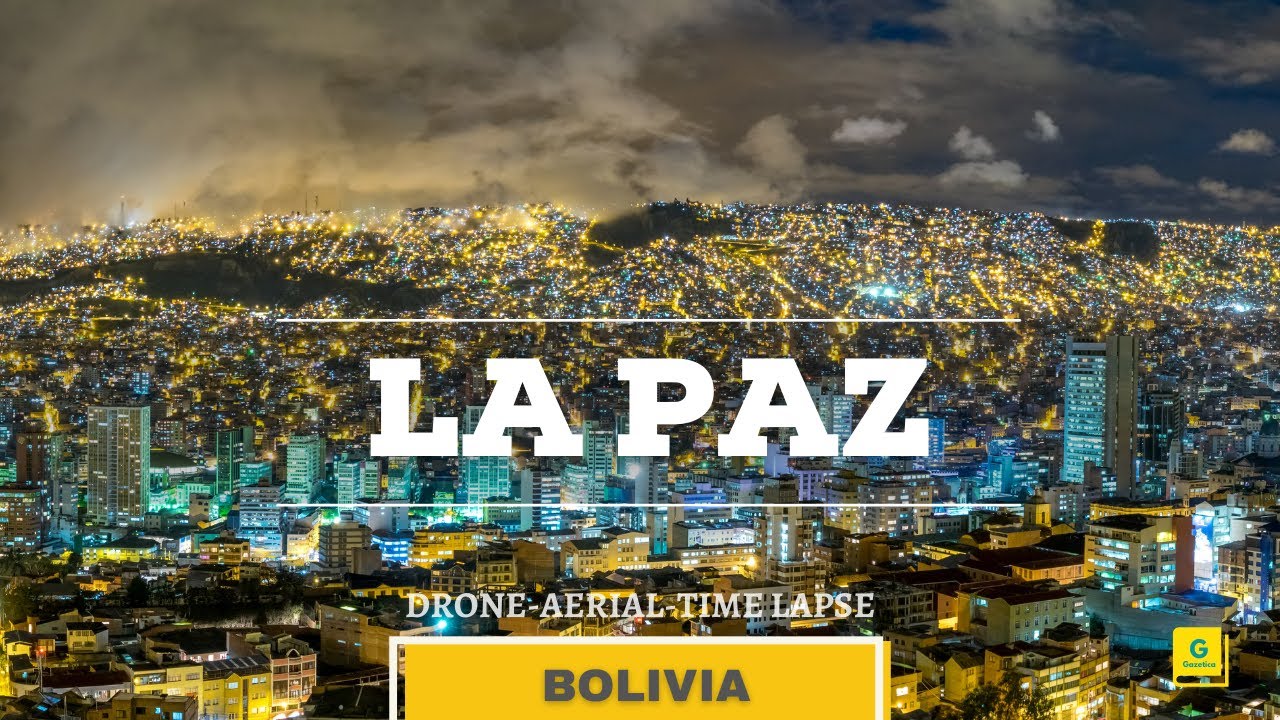
ドローンから眺めるボリビア多民族国の首都ラパス。
実はボリビアの憲法上、首都はスクレとされてします。
しかし、政府の主要機関はラパスに集中しているため事実上の首都となっています。
また世界一高い高度にある首都としても有名であり「雲の上の街」とも呼ばれます。
約3600mの標高に位置し、すり鉢の形をした街の中心には高層ビルが立ち並びます。
ちなみに正式名称は、ヌエストラ・セニョーラ・デ・ラ・パスというそうです。
高低差のある街ってなぜかワクワクします。
 観光
観光
ドローンから眺めるボリビア多民族国の首都ラパス。
実はボリビアの憲法上、首都はスクレとされてします。
しかし、政府の主要機関はラパスに集中しているため事実上の首都となっています。
また世界一高い高度にある首都としても有名であり「雲の上の街」とも呼ばれます。
約3600mの標高に位置し、すり鉢の形をした街の中心には高層ビルが立ち並びます。
ちなみに正式名称は、ヌエストラ・セニョーラ・デ・ラ・パスというそうです。
高低差のある街ってなぜかワクワクします。


コメント
On 18 November 2004, the Labour-Progressive government passed the Foreshore and Seabed Act, which declared that the land
in question was owned by the Crown. The Greens, another party in Parliament to take a position similar to that of the Māori protesters, also voted against the bill,
saying that it overrode Māori rights and offered no guarantee that the land would
not later be sold. It finally received its third vote on 18 November 2004.
The final vote tally was 66 in favour and 54 against – Nanaia Mahuta, who had previously voted against, this time voted in favour.
Turia indicated on a number of occasions that she might vote against the government’s bill,
but for a considerable time refused to give a final decision. Tariana Turia
and the Māori Party claimed this as a significant victory, although the report did not prompt any change in government policy.
On 30 April, however, Turia announced that she would vote
against the legislation, and would resign (effective 17 May
2004) from the Labour Party to contest a by-election in her electorate.
In October 2006, Tariana Turia (of Te Pāti Māori) introduced a
member’s bill designed to repeal the Foreshore and Seabed Act.